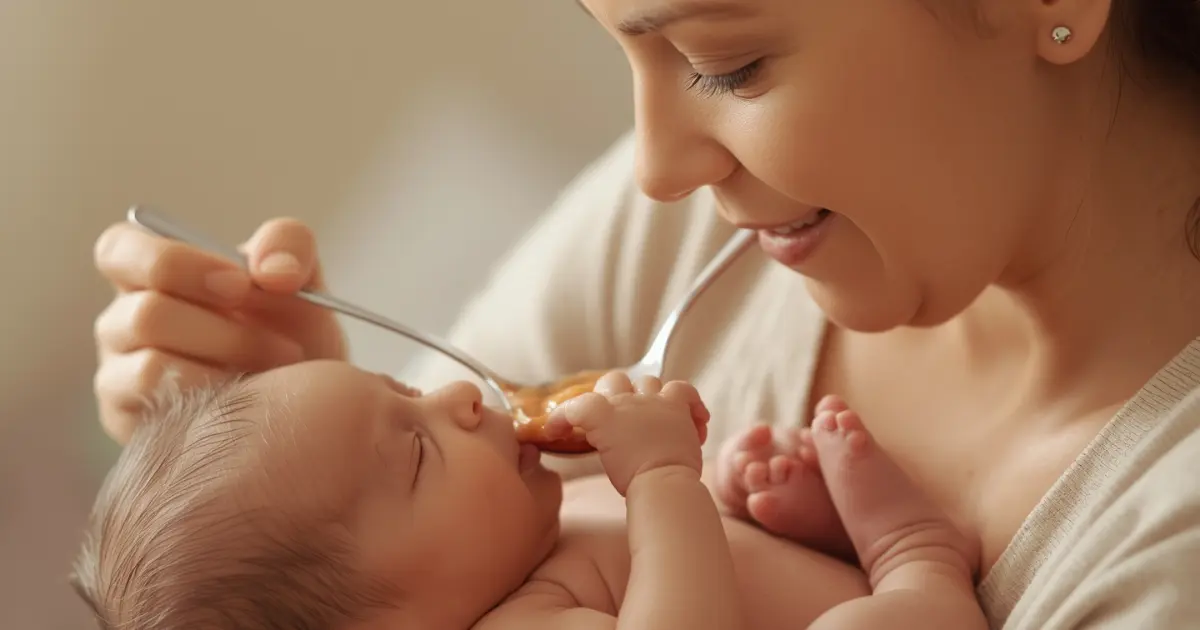
Starting solids is one of the most exciting milestones of your baby’s first year. The tiny spoons, the messy smiles, and the first tastes are unforgettable moments. However, as a first-time parent, you may find yourself asking: “Can my baby eat eggs?”, “Is honey safe in porridge?”, “Why can’t I just blend our family food for them?”. These are common questions, and this guide will walk you through which foods to avoid in your baby’s first year and why it’s crucial to avoid them. Rest assured, this is not a medical article, just a parent-friendly, expert-backed guide to help you make informed decisions.
Why Some Foods Are Unsafe in the First Year
During the first 12 months of your baby’s life, their body is developing rapidly, including their digestive system, immune system, and airways. Some foods that are perfectly safe for adults (and even older children) can be dangerous for babies. Here are the three key reasons why certain foods should be avoided:
- Choking hazards
- Risk of infections or foodborne illness
- Nutritional or allergy-related concerns
Foods That Are Unsafe for Your Baby’s First Year
1) Honey: A Hidden Danger
Although honey may seem like a healthy and natural choice, it is unsafe for babies under one year.
Why?
Honey can contain a harmful bacteria called Clostridium botulinum, which can cause infant botulism a rare but potentially life-threatening illness that affects the nervous system. Even a small amount of honey can pose this risk.
OK after: 12 months
Tip: Avoid honey in all forms, even when it is baked or cooked (like in cakes or snacks). The bacteria spores are not destroyed by heating.
2) Cow’s Milk as a Main Drink
While small amounts of dairy, like cheese or yogurt, are fine, cow’s milk should not be used as your baby’s main drink before age 1.
Why?
Cow’s milk is hard to digest for babies and lacks the right balance of nutrients, such as iron and healthy fats, which are essential for your baby’s growth and development.
OK after: 12 months (full-fat whole milk is safe after that)
What’s safe instead? During the first year, breast milk or formula should be the main source of nourishment.
3) Added Sugar & Salt: Hidden Risks
You might be surprised at how many baby foods (even store-bought ones) contain added sugars and salts.
Why?
Babies’ kidneys can’t handle too much sodium, and sugar consumption increases the risks of tooth decay and poor eating habits later in life.
What to avoid:
- Salty snacks (like crisps)
- Sugary cereals, desserts, and fruit juices
- Canned soups and adult sauces
Tip: Always check food labels even baby food brands often sneak in hidden sugars or salts.
4) Whole Nuts & Popcorn: Serious Choking Hazards
Even though nuts are healthy, whole nuts pose a serious choking hazard for babies under age 5. Popcorn also poses a similar risk.
What to avoid:
- Whole peanuts, almonds
- Popcorn (which can get stuck in the throat)
- Sticky peanut butter lumps
OK version: Smooth peanut butter (thin it out with water or breast milk for easier consumption).
5) Raw or Undercooked Meat, Eggs & Fish
Babies’ immune systems are not fully developed to handle bacteria from raw or undercooked foods.
Avoid:
- Runny eggs
- Raw sushi or smoked salmon
- Rare steak or pink chicken
- Undercooked shellfish
Tip: Always cook eggs until both whites and yolks are firm. In some countries, Lion-stamped eggs (in the UK) are safer for soft-boiling.
6) Fruit Juice & Sugary Drinks: Not Safe for Babies
Even if it says “100% juice,” fruit juice is still not recommended for babies under 12 months.
Why?
Juice is high in sugar and low in nutrients, and it can lead to tummy upset, gas, or diarrhea in babies.
Safer option: Stick to breast milk, formula, and small sips of water after 6 months.
7) High-Mercury Fish: Toxic Risks
Some fish like salmon are excellent sources of omega-3s, but others can have high mercury levels, which can be harmful to babies’ developing nervous systems.
Avoid:
- Shark
- Swordfish
- King mackerel
- Tilefish
Safer fish: Cod, salmon, haddock, and pollock (must be cooked thoroughly).
8) Unpasteurized Dairy or Juices: Bacterial Infections
Avoid anything labeled “unpasteurized” for your baby, whether it’s dairy or juice.
Why?
Unpasteurized foods can carry harmful bacteria like Listeria, E. coli, or Salmonella, which can be dangerous for your baby.
Always buy: Pasteurized milk, cheese, yogurt, and juice.
9) Processed Foods & Ready Meals: Too Much Salt & Sugar
Processed foods, especially those containing preservatives, should be avoided.
Why?
These foods are often high in sodium, preservatives, and artificial ingredients, all of which are not beneficial for your baby’s health.
Better idea: Fresh, simple meals steamed veggies, mashed fruits, oats, or baby rice are healthier choices.
A Note About Allergies (Peanuts, Eggs, etc.)
The topic of food allergies can be a little confusing. While older advice suggested delaying allergenic foods like peanuts or eggs, recent studies suggest introducing these foods earlier (around 6 months) may help lower the risk of allergies.
What to do:
- Introduce one allergenic food at a time, and watch for reactions over 2-3 days.
- If you have a family history of allergies, consult with your pediatrician before introducing potentially allergenic foods.
Quick Recap: Foods to Avoid Before Age 1
| Food | Why It’s Unsafe |
| Honey | Risk of infant botulism |
| Cow’s milk (as main drink) | Hard to digest, low in iron |
| Whole nuts/popcorn | Risk of choking |
| Salt & sugar | Kidney overload, tooth decay |
| Fruit juice | Too much sugar, low nutrition |
| High-mercury fish | Toxic to baby’s nervous system |
| Unpasteurized foods | Risk of bacterial infections |
| Processed foods | Additives, salt, sugar |
FAQs
What foods should I not give my baby before they turn one?
Babies under one year should avoid honey, cow’s milk as a main drink, whole nuts, raw eggs, added salt, sugar, unpasteurized dairy, processed meats, or high-mercury fish.
Is honey safe for babies under 12 months?
No, honey is not safe for babies under one year. It can cause infant botulism, a serious illness.
Can my baby have cow’s milk before one year?
Cow’s milk should not be used as a main drink before 12 months. It’s okay to use in small amounts for cooking, but not as a milk replacement.
When can I give my baby eggs?
You can give fully cooked eggs after 6 months. In the UK, eggs with a red lion stamp are safe to soft-boil. In the US, eggs should be cooked until both whites and yolks are firm.
Can babies have peanut butter before one?
Yes, but only smooth peanut butter in small amounts after 6 months. Avoid whole peanuts due to choking risk. Always watch for allergic reactions.
Is fruit juice okay for babies under one?
No, fruit juice is not recommended for babies under one year due to its high sugar content and low nutritional value.
What fish should babies avoid in their first year?
Avoid high-mercury fish like shark, swordfish, king mackerel, and tilefish. These can affect brain development. Safer options include salmon, cod, and haddock cooked and boneless.
Final Words: Feeding Your Baby Safely
Feeding your baby for the first time can feel overwhelming, but don’t stress. Keeping it simple with fresh, soft, and plain foods is the key. Be patient, follow your baby’s cues, and avoid the foods listed above. Soon, you’ll see your toddler feeding themselves spaghetti with both hands, and you’ll feel proud of this amazing milestone!
Disclaimer: This blog is for informational purposes only and does not offer medical advice. Always consult your pediatrician if you’re unsure about what’s safe for your baby.