
Baby sleep regression is a common yet frustrating phase where your baby, who was once sleeping well, starts waking up frequently during the night or skipping naps. It usually happens around specific growth periods: 4 months, 6 months, and 12 months.
Knowing what causes these regressions and how to respond gently can help you and your baby get through this phase more smoothly.
Understanding Baby Sleep Regression
Sleep regression refers to a temporary change in a baby’s sleep pattern. Babies may wake up more often, resist naps, or become fussier at bedtime. These changes are often linked to developmental milestones or changes in sleep cycles.
These regressions, while exhausting, are signs of cognitive and physical growth. Your baby is adjusting to their developing body and brain, and sleep disturbances are a part of that journey. While each baby is different, there are predictable points where sleep regression may occur.
Sleep Regression by Age

4-Month Sleep Regression
At around 4 months, your baby’s brain goes through a major developmental leap. They transition from newborn sleep patterns to more adult-like sleep cycles, which include light and deep sleep stages. As a result, they wake more easily and frequently.
Common signs:
- Frequent night waking
- Shorter naps
- Trouble falling asleep independently
- Fussiness during the day
Gentle tips to help:
- Start a consistent bedtime routine that includes calm activities like reading or singing
- Encourage self-soothing by placing baby in the crib drowsy but awake
- Avoid overstimulation before bedtime by reducing screen time or bright lights
- Offer comfort but avoid introducing new sleep crutches
This phase is often the hardest for new parents, as it’s the first major disruption in what may have been a manageable sleep pattern. You may feel tempted to start new habits like nursing to sleep or letting your baby sleep in your arms. While understandable, it’s best to maintain consistency.
6-Month Sleep Regression
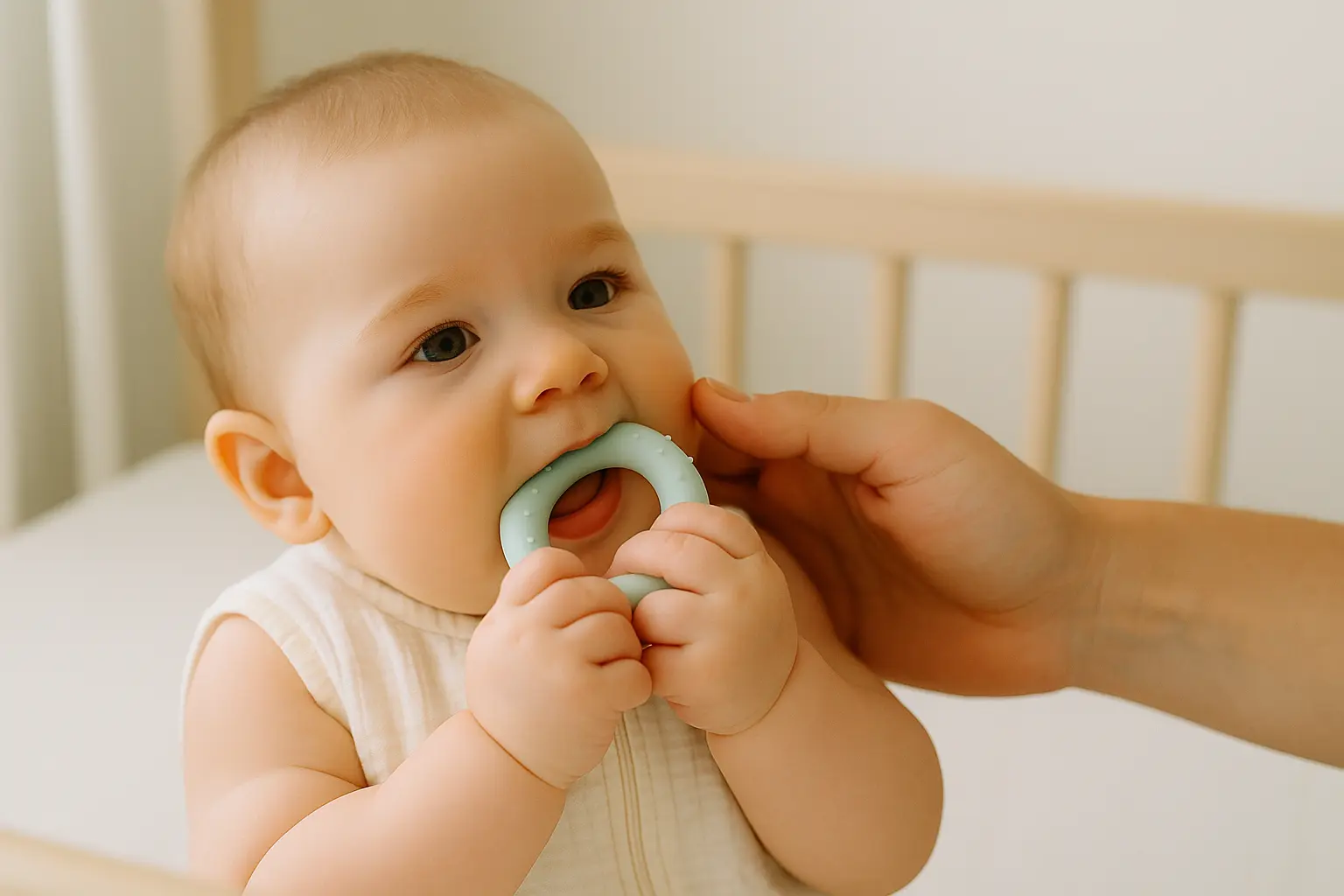
Around 6 months, babies begin to master skills like rolling, sitting up, and even crawling. These milestones, while exciting, also make sleep more challenging.
Common signs:
- Increased night wakings
- Waking up to practice new skills
- Teething discomfort
- Increased clinginess during the day
Gentle tips to help:
- Use a cool teether or baby-safe teething ring to ease gum discomfort
- Offer extra cuddles and comfort during nighttime wake-ups without fully picking them up
- Stick to a predictable nap and bedtime schedule to avoid overtiredness
- Gently redirect nighttime activity with soft lullabies or a quiet back rub
Teething can also cause minor fevers or irritability. If symptoms persist, consult your pediatrician to rule out any illness. Be patient, as your baby is exploring their world and may need extra reassurance.
1-Year Sleep Regression

At 12 months, your baby is now a toddler-in-the-making. They are likely learning to stand, walk, say a few words, and express preferences. This developmental leap often comes with emotional changes like separation anxiety.
Common signs:
- Refusing naps or waking up crying
- Becoming clingy at bedtime
- Trouble falling asleep or frequent wakeups
- Increased need for attention during the day
Gentle tips to help:
- Practice short periods of separation during the day with comforting returns
- Offer a comfort object like a soft blanket or familiar toy
- Use a consistent sleep phrase or lullaby to cue bedtime
- Keep the bedtime routine calm, quiet, and focused on bonding
This regression is deeply rooted in emotional growth. Your baby is beginning to understand presence and absence, which is beautiful but also overwhelming for them. Respond with patience and consistent routines.
Is It Sleep Regression or Something Else?
It’s important to rule out other causes of sleep disruption before labeling it as regression:
- Illness: A fever, cough, or congestion could interfere with sleep
- Environmental changes: New home, travel, or daycare can unsettle a baby’s sense of safety
- Growth spurts: Increased hunger during growth spurts can disrupt nighttime sleep
If your baby’s disrupted sleep continues for more than a month, consider speaking to your pediatrician. Sleep regression generally comes and goes, but other issues may require support.
How Long Does Sleep Regression Last?
Each sleep regression typically lasts between 2 to 6 weeks. Some babies bounce back quickly, while others take longer. As a parent, your job is to stay calm, consistent, and supportive.
Avoid making drastic changes during this period, such as transitioning to a toddler bed or cutting out naps. Keep the environment and your responses as steady as possible.
Gentle Ways to Help Baby Sleep Better
Create a Calming Bedtime Routine
Routine is a baby’s best friend. It gives them signals that sleep is coming. Your bedtime routine can include:
- A warm bath
- A baby massage with calming lotion
- Reading a short board book
- Singing a soft lullaby
- Turning on a nightlight or white noise machine
Focus on Daytime Naps
Daytime rest is directly linked to nighttime sleep quality. Skipping naps often leads to overtiredness, which can result in more night wakings.
Stick to an age-appropriate nap schedule:
- 4–6 months: 3 naps/day
- 6–9 months: 2–3 naps/day
- 9–12 months: 2 naps/day
Use White Noise or Soft Music
White noise creates a consistent sleep environment by drowning out household sounds. You can also try gentle instrumental lullabies or ocean waves.
Keep the volume low and consistent every night so your baby associates it with rest.
Maintain a Dark, Cool Sleep Environment
Babies sleep better in slightly cool, dark rooms. Try blackout curtains and keep the room temperature between 68–72°F.
If your baby wakes early due to light, consider a light-blocking shade. Sleep sacks are great for warmth without overheating.
Supporting Yourself as a Parent
It’s okay to feel exhausted and overwhelmed. Sleep regressions are not your fault, and they’re not forever.
- Ask your partner, a family member, or a friend for help, even for just a 20-minute nap break
- Practice deep breathing or guided meditation during short breaks
- Avoid comparing your baby’s sleep to others; each child is unique
You’re doing your best. Give yourself grace and know that better sleep is around the corner.
Related Resources
For more gentle tips and support, check out these helpful guides:
- 10 Common Reasons Babies Cry at Night
- How to Help Your Baby Sleep Without Being Held
- Baby Not Eating? Gentle Tips to Help
FAQs:
Why does my baby suddenly start waking up at night at 4 months?
This often happens due to the 4-month sleep regression, where your baby’s sleep cycles mature and cause more frequent awakenings.
How can I tell if it’s sleep regression or something else?
Look for signs like frequent wake-ups, nap refusal, or fussiness. If symptoms last over a month or involve fever or pain, check with your pediatrician.
How long does baby sleep regression usually last?
Most regressions last between 2 to 6 weeks. Consistency and a calm routine can help your baby return to normal sleep sooner.
What are gentle ways to help my baby sleep better during regression?
A consistent bedtime routine, white noise, age-appropriate naps, and a dark, cool room can make a big difference.
Does every baby go through sleep regression?
Most babies do experience it around 4, 6, and 12 months, though the intensity and signs may vary from child to child.
Final Thoughts
Sleep regressions are a normal part of baby development. Though tiring, they show that your baby is growing and learning new things.
With patience, gentle routines, and love, both you and your baby will get through these phases and find your rhythm again. Don’t forget: this too shall pass.
Disclaimer: This article is for educational and informational purposes only. The content is based on personal experience and research. It is not medical advice.