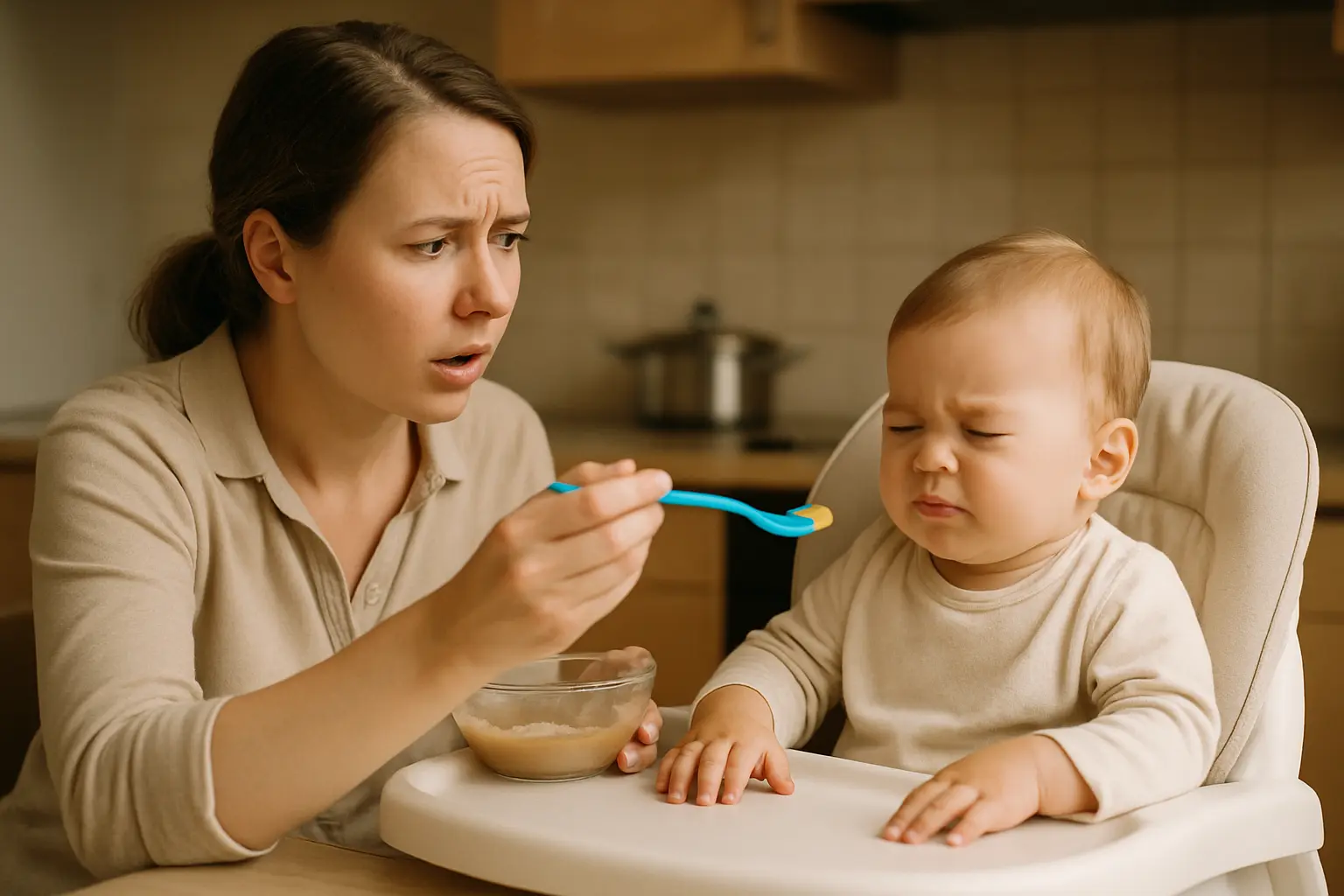
When your baby refuses to eat, it can feel like a frustrating and heartbreaking experience. You prepare their favorite foods, try playful tricks, and yet they still turn their head away. If your baby is not eating anything, it’s important to stay calm and realize that this phase is more common than you think. Babies sometimes go through phases where they’re less interested in food, and with patience and support, you can gently guide them back to healthier eating habits.
In this blog, we’ll explore why babies stop eating and provide you with gentle, parent-approved strategies to help your little one eat with ease.
Understanding Baby’s Eating Habits
Is it Normal for Babies to Refuse Food?
Yes, it is completely normal for babies to refuse food from time to time. Babies can go through phases where they eat less or seem uninterested in food altogether. This can be linked to teething, growth spurts, mood changes, or even external distractions. It’s usually not a cause for concern and doesn’t always mean your baby is sick.
In fact, babies’ appetites can fluctuate daily. One day they might eat everything you offer, while the next, they might barely touch their food. As long as your baby is active, gaining weight, and meeting developmental milestones, occasional meal refusal is perfectly fine.
How Much Food Does a Baby Really Need?
Sometimes parents worry when their baby eats far less than expected. But remember, baby tummies are small, and a few spoonfuls of solid food may be more than enough during a single mealtime, especially for babies under one year old.
Breast milk or formula continues to provide most of your baby’s essential nutrients during the first year, so solid food at this stage is more about exploration than nutrition.
For toddlers, daily intake might still vary based on mood, activity levels, and growth patterns. Trust your baby’s hunger signals rather than worrying about portion sizes.
Reasons Why Baby Might Refuse to Eat
1. Teething or Illness
When babies are teething, their gums can become sore, making chewing uncomfortable. If your baby has a mild cold or sore throat, their appetite might also decrease. Fortunately, once the illness or teething pain subsides, their eating habits typically return to normal.
2. Growth Spurts or Sleep Changes
During growth spurts, babies often sleep more and eat less. Hormonal and developmental changes can affect their hunger as well. If your baby is learning to crawl or walk, they may be too distracted or excited to focus on eating.
3. Change in Routine or Surroundings
Has your baby recently experienced a change in routine (like traveling, switching feeding chairs, or starting daycare)? Babies are sensitive to changes and this can temporarily affect their eating habits. They may need time to adjust to new surroundings.
4. Overfeeding with Snacks or Milk
Sometimes, babies fill up on milk or frequent snacks throughout the day and lose their appetite for solid foods. To help restore their appetite, maintain an appropriate feeding schedule with balanced gaps between meals.
5. Developing Independence
As babies grow, they start expressing more independence, which may include saying “no” to food. While this can be frustrating, it’s a natural part of their development and a sign of their growing autonomy.
Gentle Strategies to Encourage Eating
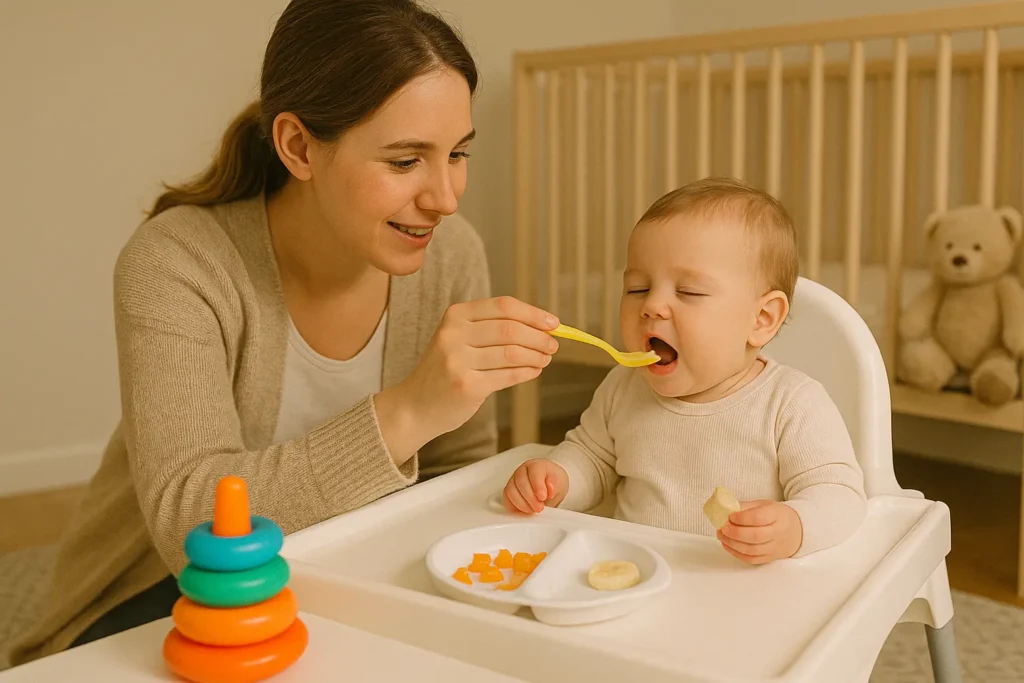
1. Stay Calm and Patient
If your baby refuses to eat, try not to react with pressure or frustration. Mealtime should be calm and positive. When your baby feels safe and unhurried, they are more likely to try new foods and enjoy their meals.
2. Offer Small Portions Frequently
Instead of offering three full meals a day, try offering small portions several times a day. This reduces the pressure on your baby to eat large portions and allows them to eat at their own pace based on their hunger.
3. Create a Distraction-Free Mealtime
During mealtime, remove screens, loud toys, and other distractions. Sit together at the table, make eye contact, and focus on the shared experience. This helps your baby associate eating with family bonding rather than simply eating for sustenance.
4. Let Your Baby Explore
Allow your baby to touch, smell, and play with their food. Yes, it will be messy, but this hands-on exploration builds comfort and curiosity. Over time, this may lead to actual tasting and eating.
5. Try Finger Foods and Self-Feeding
Some babies may resist being spoon-fed. Allow your baby to feed themselves with soft, safe finger foods like cooked carrot sticks, banana slices, or small pieces of pancake. This approach builds confidence and makes eating more fun.
6. Stick to a Routine
Babies thrive on predictability. Having set mealtimes each day helps train their appetite. Try to avoid feeding on demand throughout the day unless it’s breast milk or formula for younger babies.
7. Introduce New Foods Gradually
Instead of offering several new foods at once, introduce one new food at a time alongside familiar favorites. This gradual approach reduces overwhelm and helps your baby accept new tastes more easily.
What Not to Do When Baby Refuses to Eat
- Do not force-feed. This can create a long-term negative association with food and may lead to picky eating habits.
- Do not bribe or distract. Using toys, TV, or sweets as rewards can shift your baby’s focus away from hunger and toward entertainment.
- Do not compare your baby’s eating habits to other children. Every baby has a unique appetite and development timeline.
When Should You Worry?
While occasional refusal is normal, seek professional advice if:
- Your baby is losing weight or not gaining
- They seem weak, unusually tired, or dehydrated
- Your baby has fewer wet diapers than usual
- Your baby shows consistent discomfort when eating
- They refuse food for more than 4–5 days in a row
If any of these signs occur, it’s best to consult a pediatrician to ensure there are no underlying medical concerns.
Encouragement for Parents
Parenting a baby who refuses to eat can feel like a lonely and frustrating experience, especially when you are trying everything with love and care. However, this phase is temporary. Babies grow and change quickly, and so do their eating patterns. Consistency, patience, and support will help turn mealtimes into a joyful experience again.
Focus on connection over consumption, and remember: your love, presence, and efforts matter far more than a perfectly clean plate.
FAQs: Parents Also Ask
Why is my baby not eating anything suddenly?
Sudden food refusal in babies is often linked to teething, minor illness, routine changes, or growth spurts. It usually resolves on its own within a few days.
How can I get my baby to eat when they refuse everything?
Stay calm, offer small portions throughout the day, reduce distractions, serve favorite foods, and let your baby explore food without pressure.
Is it normal for my baby to skip meals?
Yes. Babies sometimes skip meals when they are tired, teething, or full from a previous feed. As long as growth and hydration are on track, this is normal.
What are the best foods for babies who are not eating well?
Soft, easy-to-digest foods like mashed banana, avocado, plain yogurt, or porridge are great options. Offer colorful, mild-tasting foods and avoid strong flavors.
When should I worry about my baby’s eating habits?
If your baby refuses food for more than a few days, shows signs of weight loss, dehydration, or unusual tiredness, contact a healthcare provider.
Final Thoughts
Feeding challenges are common during your baby’s early years, but they don’t have to be stressful. While it’s natural to feel concerned when your baby refuses to eat, try focusing on the bigger picture. Babies grow in spurts, develop new habits, and learn through experiences. With love, encouragement, and a bit of creativity, you can help your baby build a healthy relationship with food that lasts a lifetime.
Your efforts matter more than you know, and you are doing an amazing job!
Disclaimer: This blog is for informational purposes only and is based on general parenting research. It does not replace professional advice. Please consult an expert for your child’s specific needs.